Welcome to our new website
Low Order

Controlled outcomes. Reduced effects.
All low-order systems are engineered in-house, allowing full control over design integrity, safety mechanisms and deployment methodology. Each solution is developed with practical operational input, ensuring it performs reliably under field conditions.
Key design considerations include:
-
Target characteristics and explosive composition
-
Deployment platform requirements (manual, robotic, subsea or remote)
-
Environmental constraints and safety standoff distances
-
Operator protection and ease of integration
This engineering-led approach ensures systems are robust, intuitive to operate and adaptable to mission-specific requirements.

All low-order systems are engineered in-house, allowing full control over design integrity, safety mechanisms and deployment methodology. Each solution is developed with practical operational input, ensuring it performs reliably under field conditions.
Key design considerations include:
-
Target characteristics and explosive composition
-
Deployment platform requirements (manual, robotic, subsea or remote)
-
Environmental constraints and safety standoff distances
-
Operator protection and ease of integration
This engineering-led approach ensures systems are robust, intuitive to operate and adaptable to mission-specific requirements.
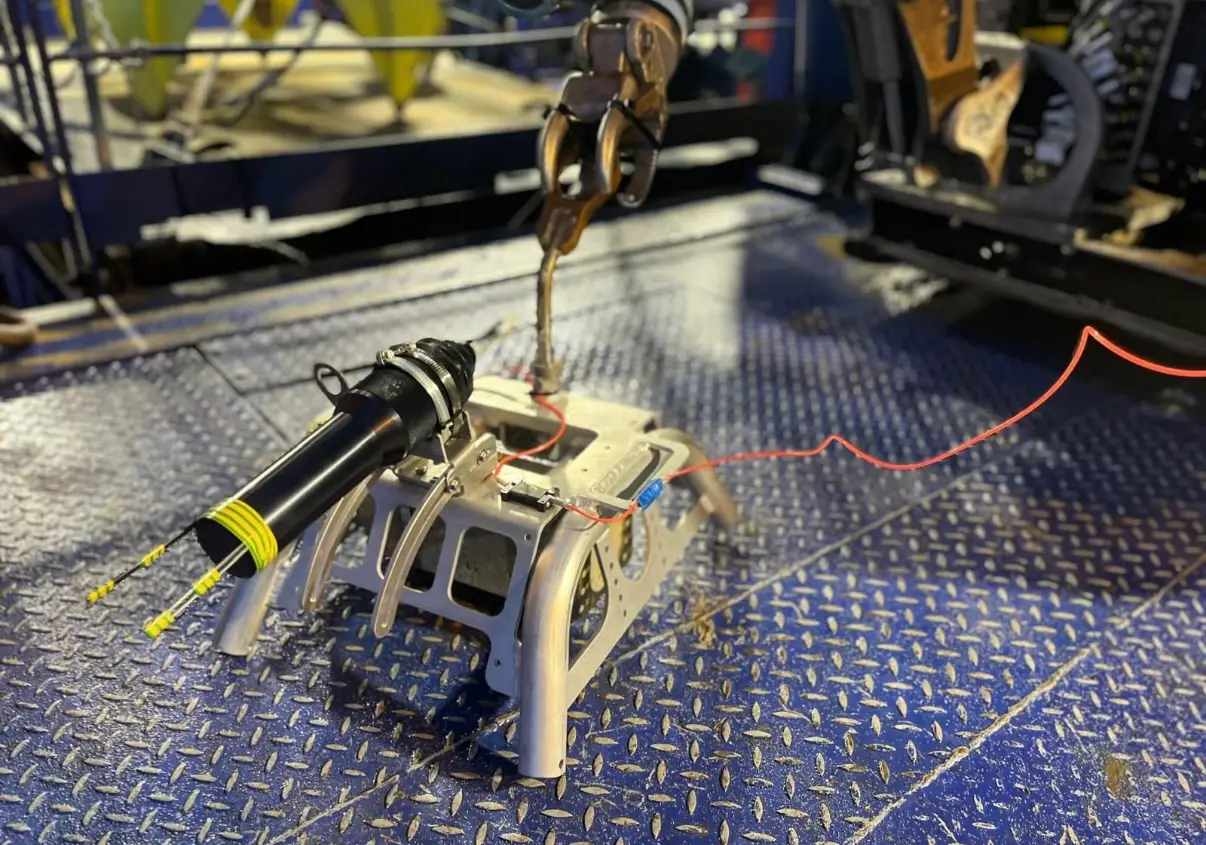
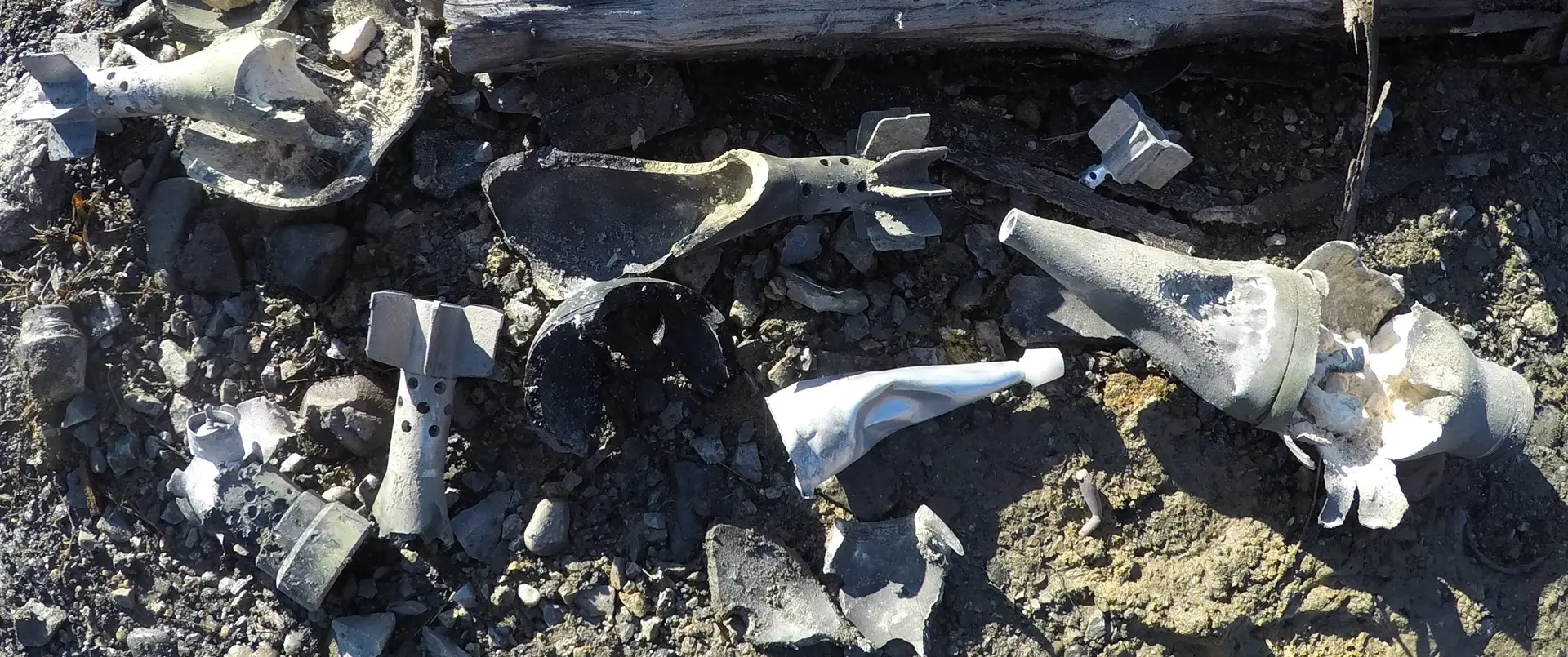
Low-order capability is often selected where reducing collateral impact is a primary objective. By carefully managing energy transfer, the technique reduces the likelihood of uncontrolled fragmentation and excessive blast effects.
This approach is particularly valuable when operating near critical infrastructure, vessels, subsea assets or populated areas. It supports safer outcomes by lowering the risk to personnel, preserving surrounding structures and reducing environmental disruption. The emphasis is always on predictable performance and controlled results.
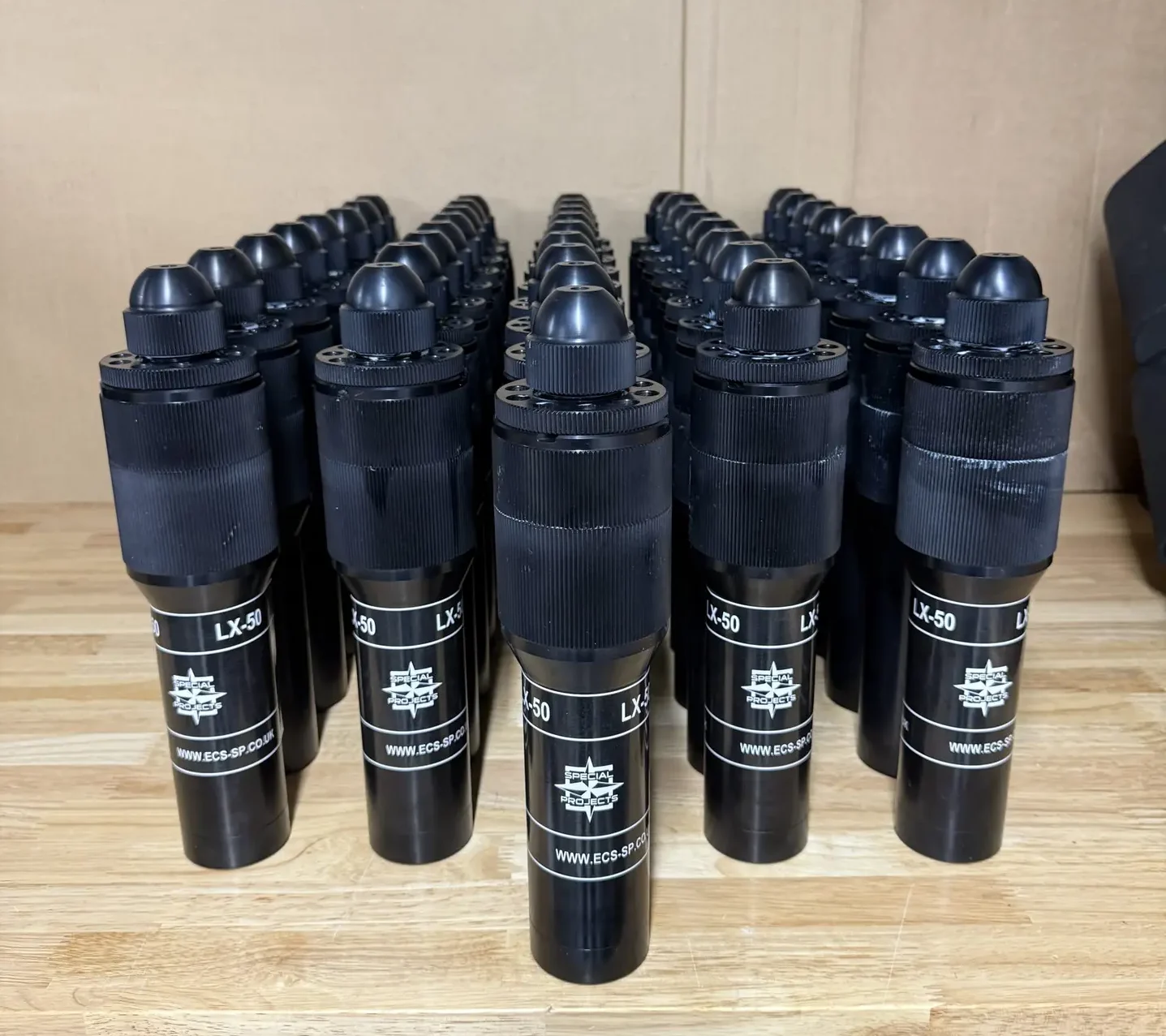
Every low-order system undergoes structured testing and validation before operational release. Performance is assessed under controlled conditions to ensure reliability, repeatability and safety.
Testing programmes evaluate:
-
Disruption effectiveness and energy behaviour
-
Consistency of output across multiple trials
-
Environmental and fragmentation impact
-
Compliance with relevant safety and defence standards
Only once systems demonstrate stable, repeatable results are they approved for operational deployment.
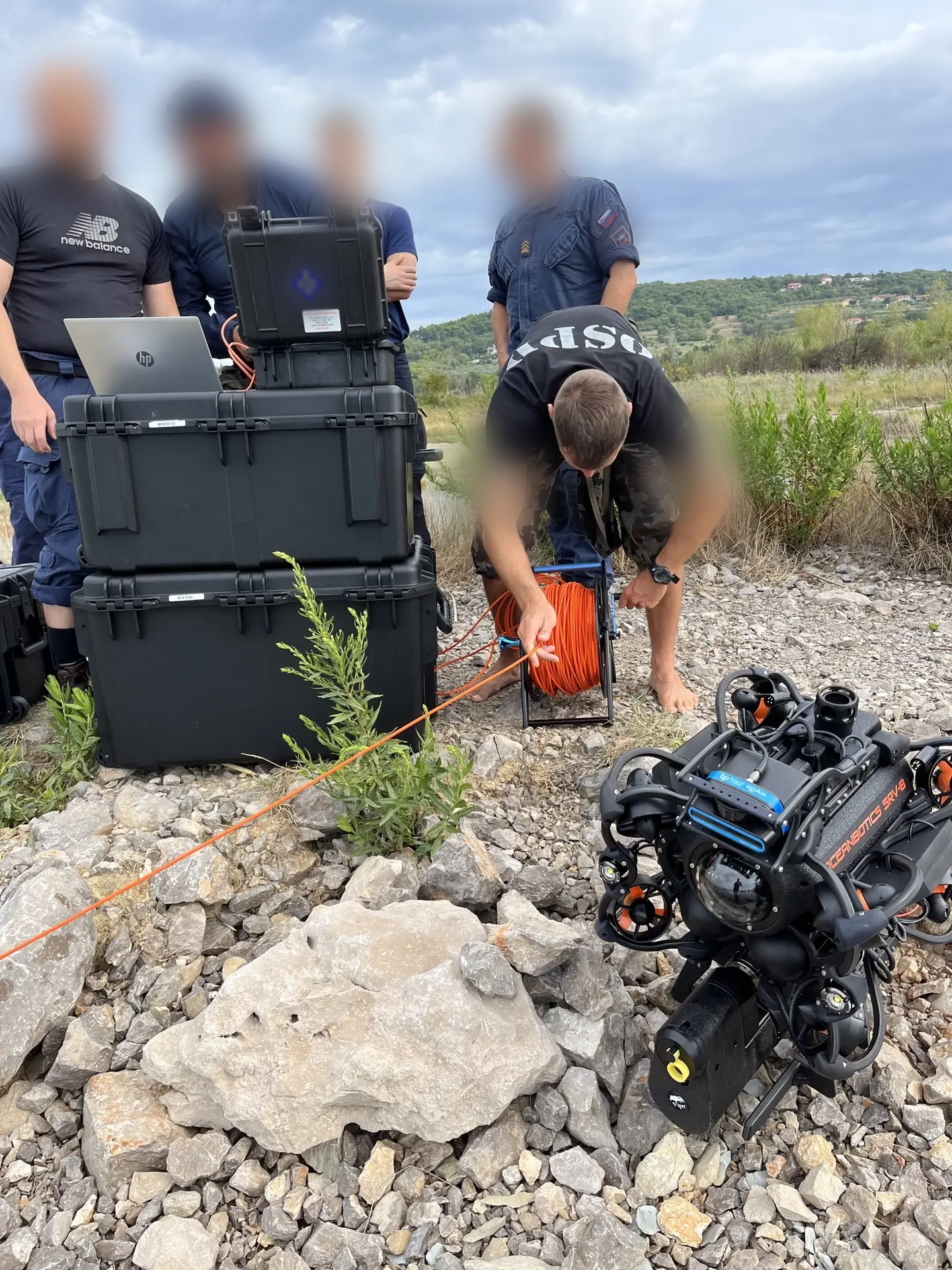
Many low order tasks are delivered remotely to reduce exposure or because access is limited. We support integration-led approaches that help teams deploy capability using the platforms they already operate—ROVs, divers, UGVs and mixed methods. This includes practical guidance on handling interfaces, deployment sequencing, and task execution so the method doesn’t rely on improvised workarounds.
The aim is capability that scales across platforms and teams. This reduces training burden and improves operational tempo.
Support covers system familiarisation, deployment best practice and safety protocol guidance. Ongoing technical assistance ensures continued performance and lifecycle reliability. This integrated support framework ensures users can deploy low-order capability safely, efficiently and with full operational confidence.
Low order outcomes benefit from structured learning because subtle changes in placement and setup can affect results. We support teams with debrief-led improvement: capturing what happened, what worked, and what needs to change across placement, initiation and method. This helps refine SOPs, improve training and reduce variability between operators.
Over time, it builds stronger assurance and more predictable outcomes across different teams and operating environments. The result is controlled performance you can rely on.

Why Special Projects
Why work with Special Projects
Special Projects operates as a technical partner rather than a volume supplier. Our approach is built around engineering integrity, practical delivery, and long-term trust, ensuring every solution is designed to perform in real-world conditions.
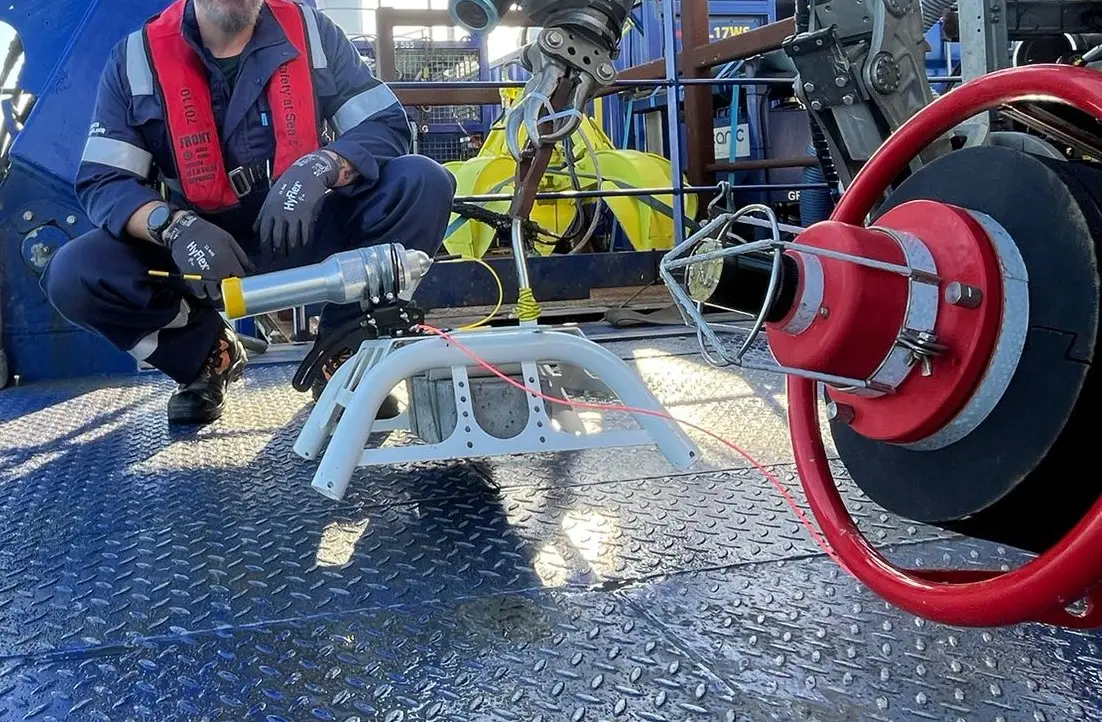
Every project begins with the problem, not a product. We take the time to understand operational constraints, end-user requirements, and environmental conditions, allowing us to design solutions that are genuinely fit for purpose rather than adapted from generic platforms.
Projects are led by engineers from initial engagement through to delivery. Requirements are defined collaboratively, with careful consideration of operational context, environmental conditions, safety constraints, and integration with existing systems. This ensures design decisions are grounded in reality rather than assumption.
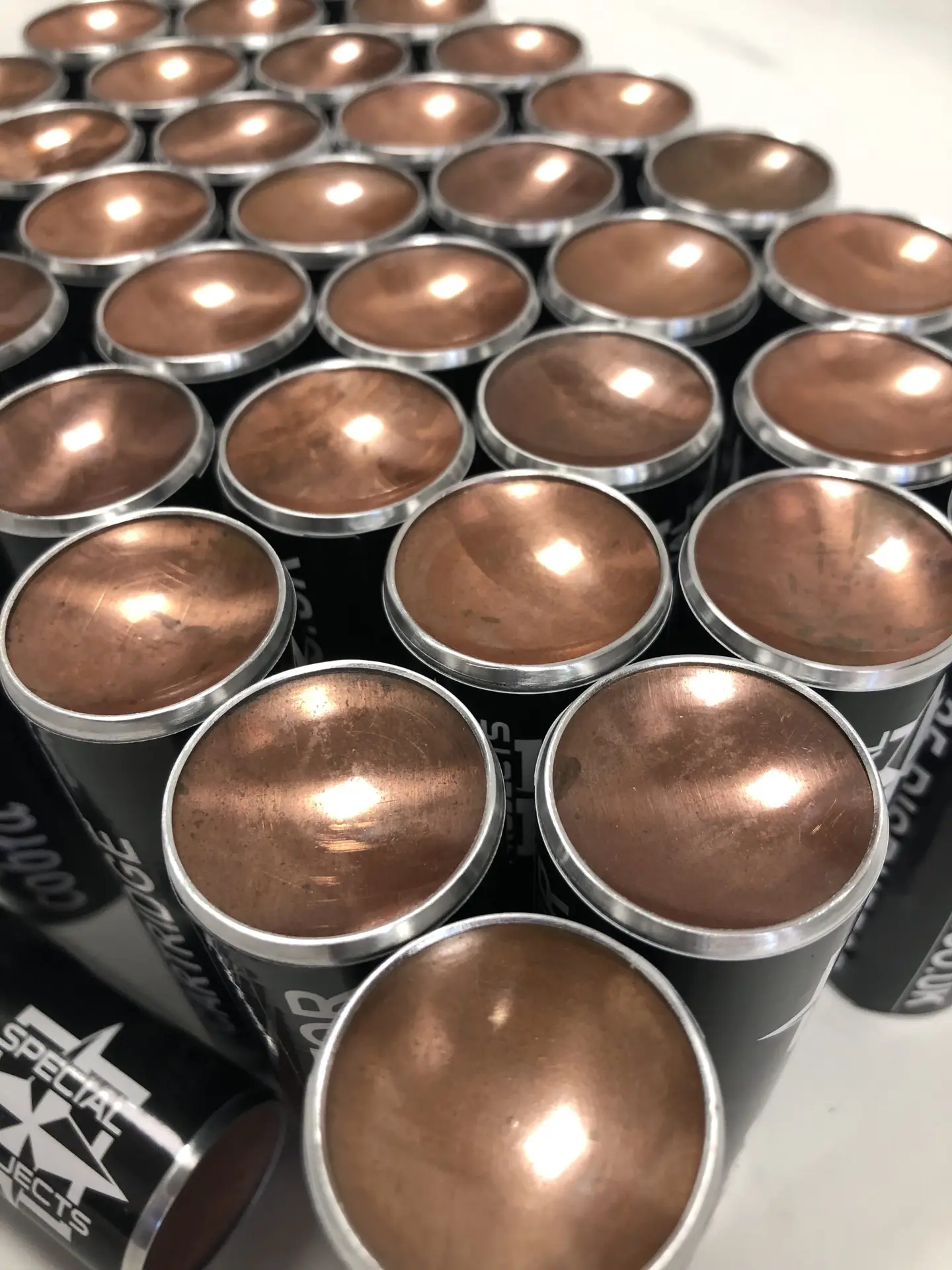
Every stage is handled internally, from concept through to deployment. By keeping design, engineering, integration, and testing under one roof, we maintain complete oversight of quality, timelines, and performance.
This approach removes the friction of fragmented supply chains and ensures accountability sits in one place. Clients work directly with the people responsible for delivery, enabling faster decisions, clearer communication, and solutions that are cohesive rather than pieced together.
Projects benefit from continuity of knowledge throughout their lifecycle, reducing risk and ensuring that what is designed is practical, buildable, and fully aligned with operational needs.
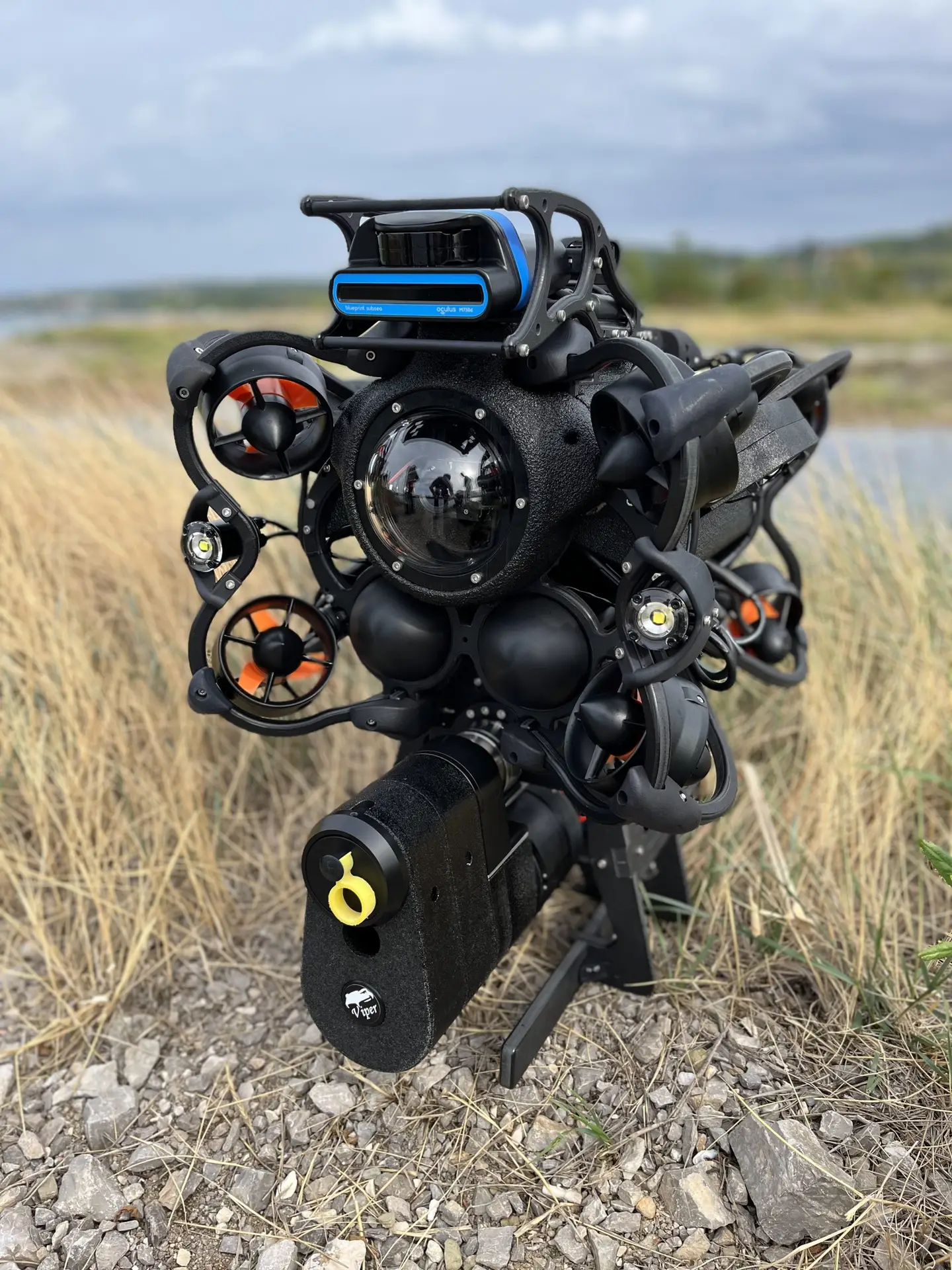
Innovation only has value when it works in the real world. Our focus is on developing solutions that improve reliability, efficiency, and safety in demanding operational environments, rather than pursuing novelty for its own sake.
We combine proven engineering principles with emerging technologies where they deliver measurable benefits. Each design decision is tested against real-world constraints, ensuring new ideas translate into dependable outcomes rather than theoretical advantages. The result is innovation that is grounded, purposeful, and capable of delivering long-term value in live operational settings.
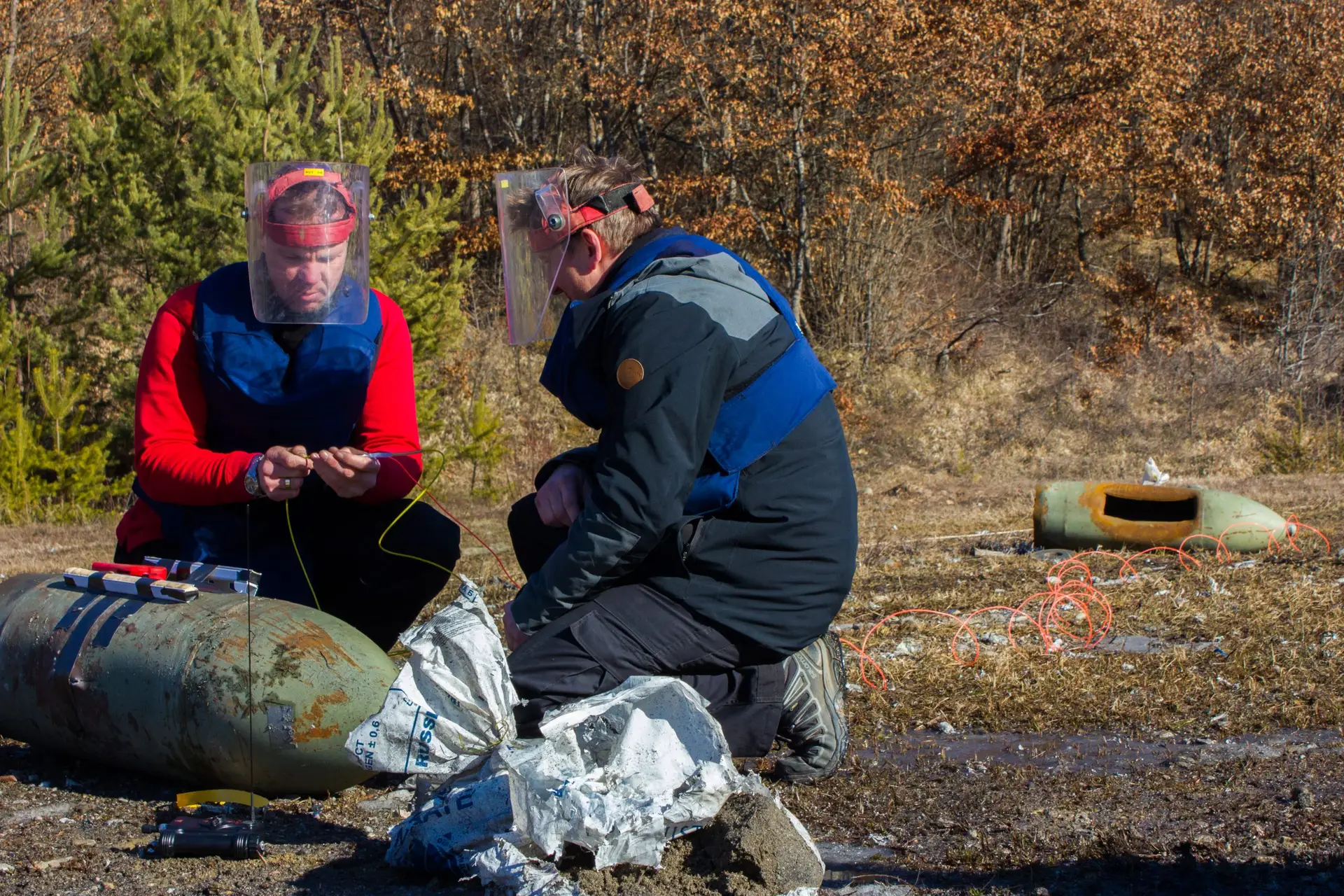
Many of the environments we operate in require a high degree of confidentiality and professionalism. We understand the importance of safeguarding sensitive information, respecting operational protocols, and maintaining trust at every stage of a project.
Our team works with discretion and integrity, ensuring that client data, intellectual property, and operational details are handled with care. Communication is clear, controlled, and aligned with each client’s preferred level of visibility. This commitment allows us to support organisations working in complex or high-stakes sectors with confidence, reliability, and complete professionalism.
Contact us
We're ready to solve your complex engineering challenge
Partners & memberships
Our industry associations & networks



Capabilities
Pioneering solutions for complex industries
From concept design to deployment, Special Projects delivers end-to-end engineering solutions that perform when conditions are toughest.