Welcome to our new website
Low Order Deflagration and Disruptor Range
The challenge
Low order effects, accurately placed, under pressure
Operators regularly have to neutralise suspect items while controlling the effects and working within real constraints:
- using a lower-effect option when the task calls for it, instead of defaulting to high order
- placing and aiming accurately on the target, often in poor visibility or complex surroundings
- initiating reliably with a method that suits the situation (manual, coded RF or acoustic) and compatible detonation
- working on land and subsea, where stability, handling and buoyancy matter
- keeping logistics simple, with kit that is transportable and practical to prepare on task.
In brief

Key features
Low Order Deflagration and Disruptor Range features


Self-fill, simple logistics
Low order by design
Placement and aiming
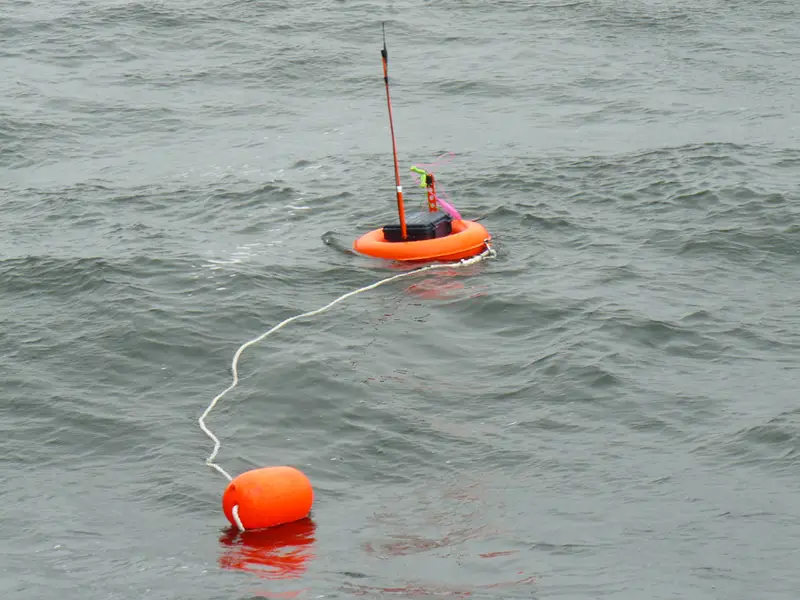
Initiation to 300m
Specifications
Low Order Deflagration and Disruptor Range specifications
Full data sheets are sent on request.
Product options
Operational depth
Initiation and detonation
NEQ range
Dimensions and weight
Materials and liners
In detail
Low Order Deflagration and Disruptor Range in detail
What low order deflagration is
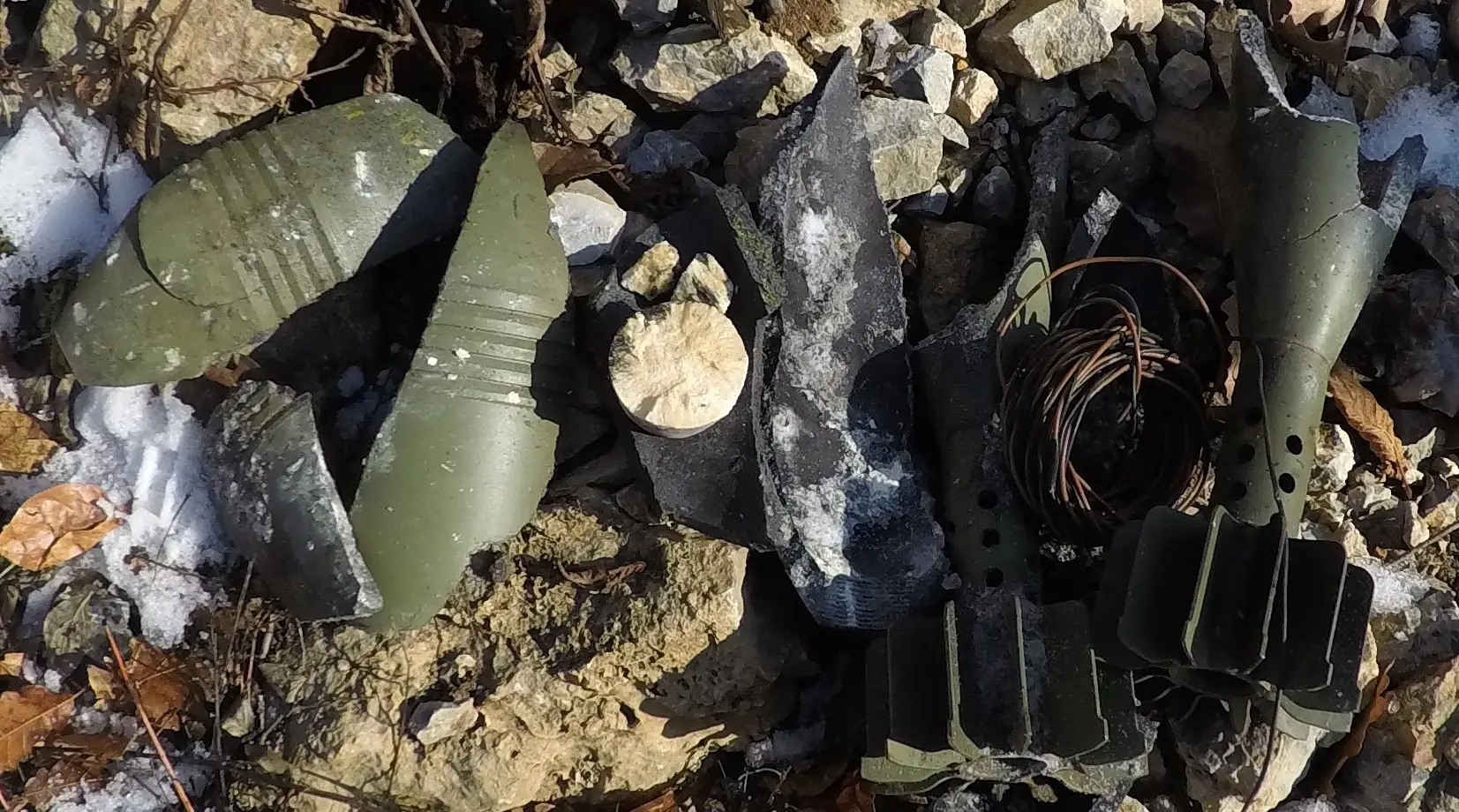
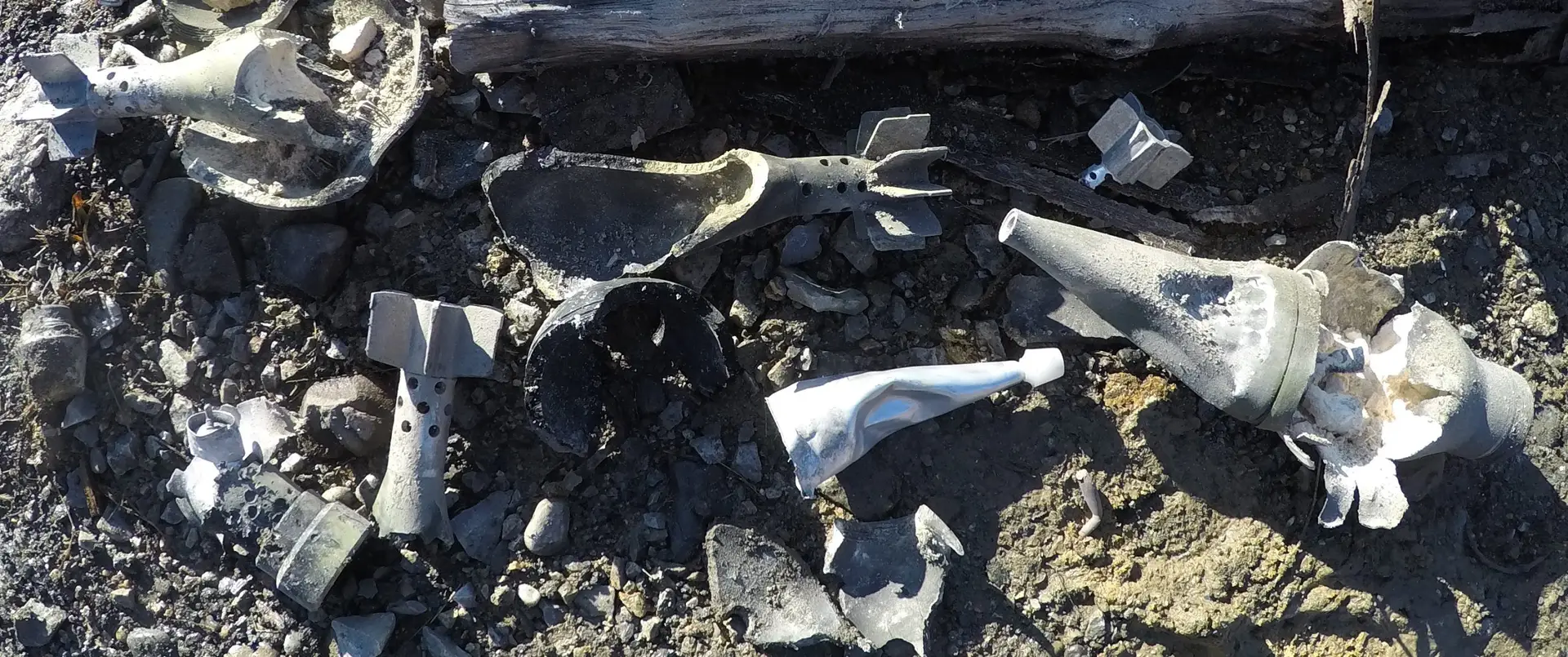
Low order deflagration neutralises a mine, IED or UXO by deflagrating the explosive fill instead of detonating it. Compared with a high order method, this reduces fragmentation and blast overpressure. It suits tasks near infrastructure, vessels, subsea assets or populated areas, where the effects have to be controlled.
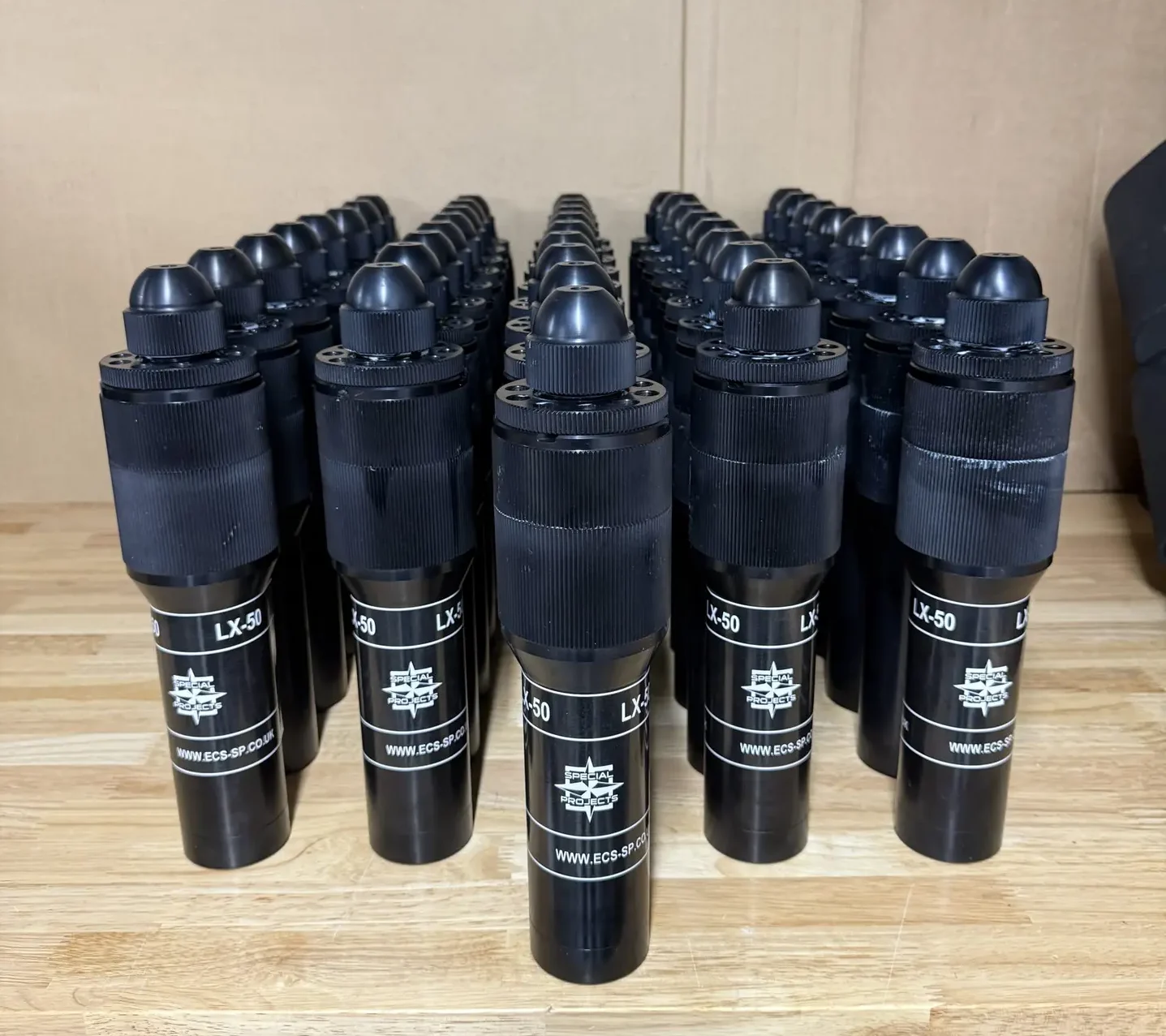
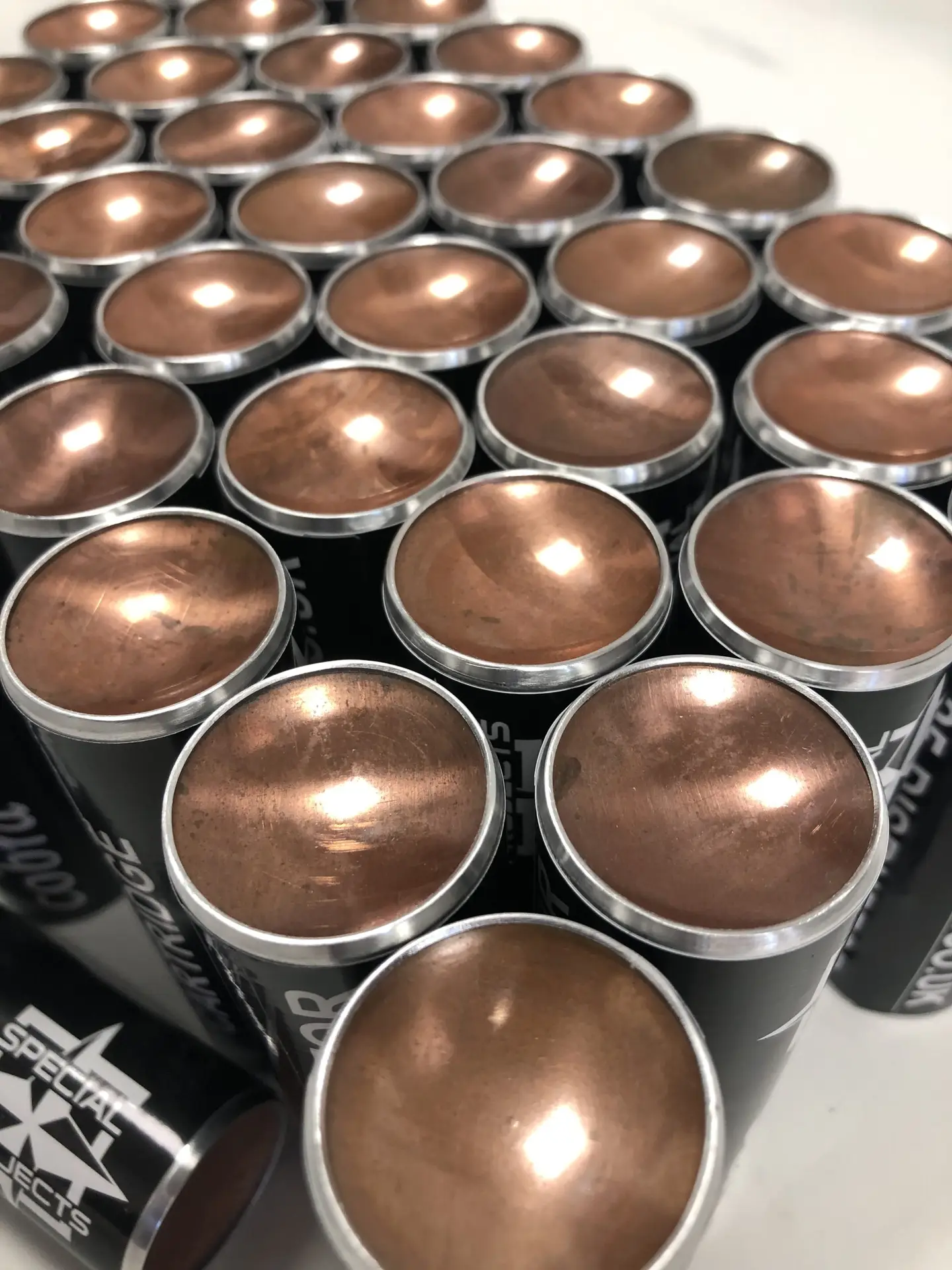
The LX-30 and LX-50 use an aluminium and magnesium liner to achieve low order deflagration through the Misznay-Schardin effect, either directly or through an intermediate medium. The LX-420 uses an aluminium and gel liner.
Low order or high order
A high order method detonates the item fully. A low order method manages the energy release so the item is neutralised with reduced effects. Which one to use depends on the target and its explosive fill, the environment, the stand-off distance and the platform delivering the charge.
Special Projects makes both. For full detonation, see the High Order Disruptor Range.
Subsea and remote use
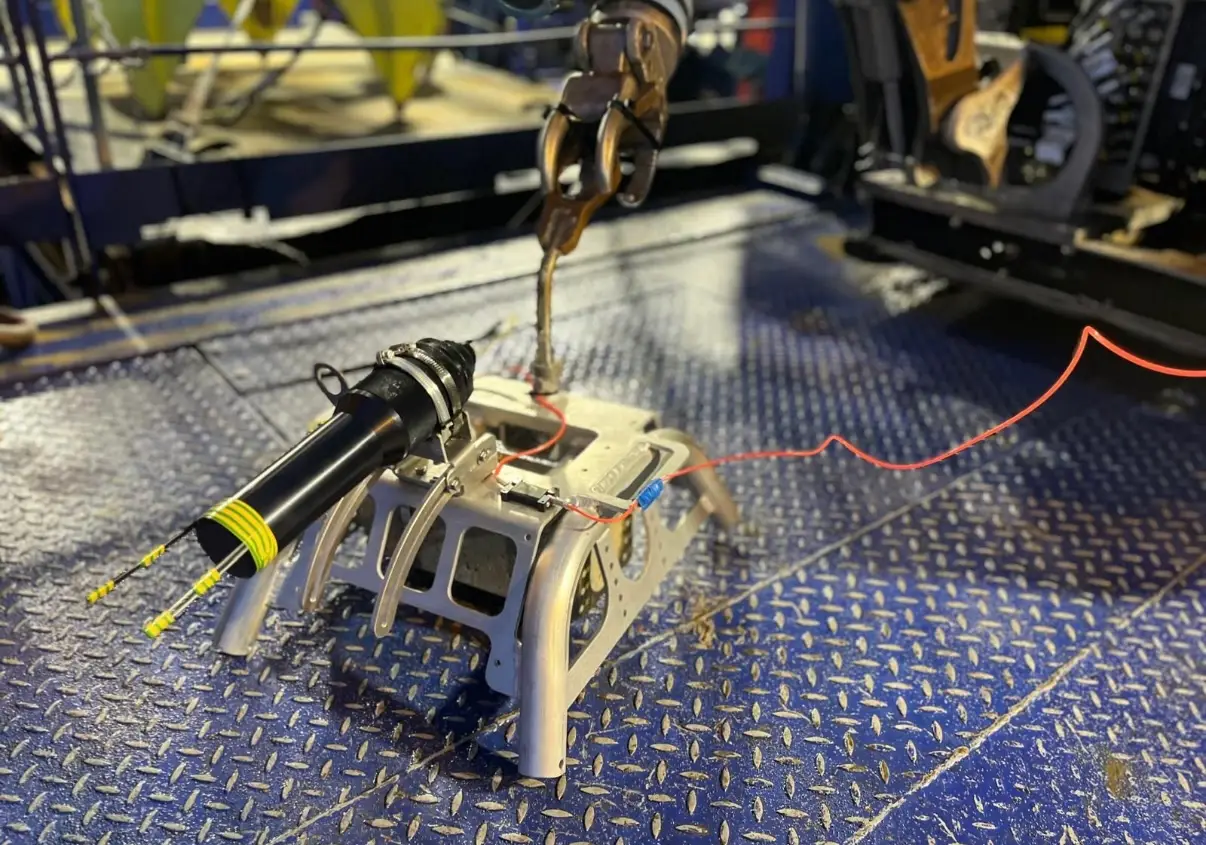
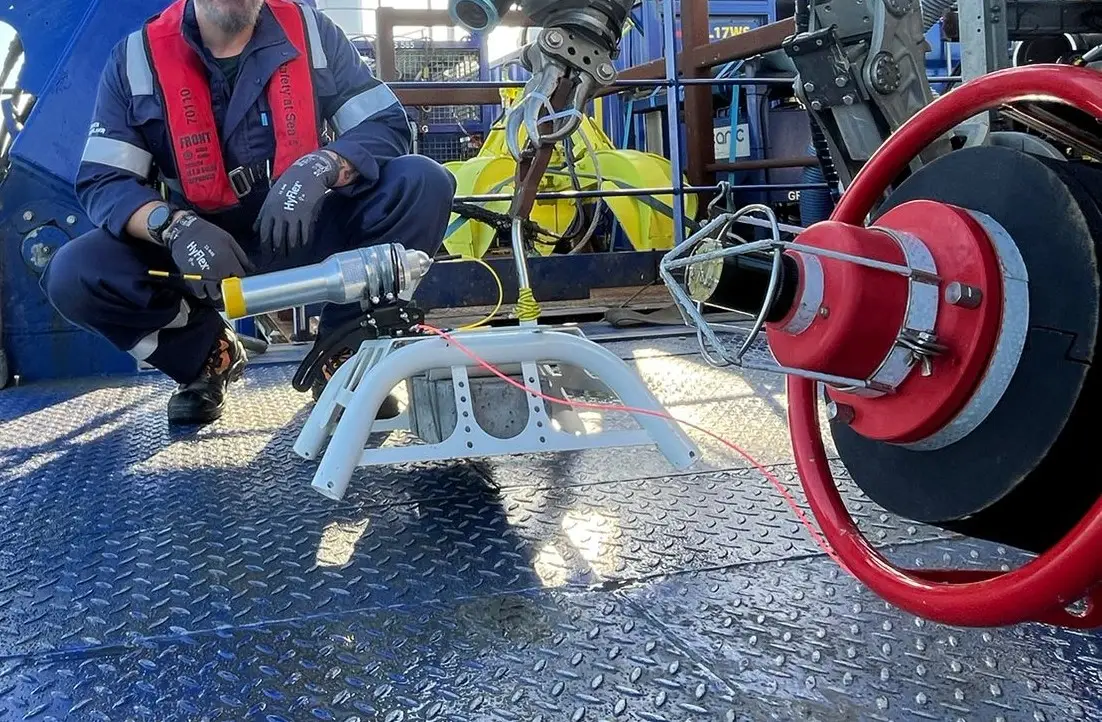
The LX range works on land and at sea to 300m. Each unit is non-magnetic and buoyancy neutral, and integrates with the Cobra MDS Placement Unit for repeatable placement by ROV, diver or UGV. Detonation is NONEL or electric, with manual, coded RF or acoustic initiation.
Video
LX-30 WASP low order deflagrator trials
Low order, low noise UXO deflagration trials of the LX-30 WASP low order deflagrator.
FAQs
Low order deflagration FAQs
Question not covered here? Send it through the form and we will come back to you.
Ask a questionWhat is low order deflagration?
A way of neutralising a mine, IED or UXO by deflagrating the explosive fill instead of detonating it. It reduces fragmentation and blast effects compared with a high order method.
What is the difference between low order and high order?
High order detonates the item fully. Low order neutralises it with reduced effects, which matters when working near assets, vessels or people.
How deep can the LX range be used?
From the surface down to 300m.
Can the LX range be deployed by ROV?
Yes. It integrates with the Cobra MDS Placement Unit and can be deployed by ROV, diver or UGV.
What charge sizes are available?
LX-30: 30 to 50g NEQ. LX-50: 150 to 250g NEQ. LX-420: 1kg NEQ.
Can I get a data sheet?
Yes. Use the form on this page and we will send the data sheet for the product you need.

In summary
A scalable low order family from 30g to 1kg NEQ. Self-fill, buoyancy neutral and non-magnetic, with Cobra MDS placement, laser aiming and NONEL or electric detonation for land or sea use to 300m.
Contact
Ask about Low Order Deflagration and Disruptor Range
Tell us about the application, the platform and the initiation method, and we will send the data sheet and the information that fits.
Products
Specialist systems & equipment
Mine disposal systems, disruptors, initiation systems and attachment tools, designed and made by Special Projects.